

Ingredients for good higher education governance
I was recently asked by Advance HE to do a short piece reflecting on governance in the Higher Education Sector. It is reprinted in the Wilde Search publication Robust, Resilent and Ready: Assessing and Strengthening Governance in Charities and Education
https://www.advance-he.ac.uk/news-and-views/ingredients-good-higher-education-governance
https://www.wildsearch.org/pdf-robust-resilient-and-ready
Chairing a Higher Education institution is a continual learning process and it was useful to reflect on governance in the run up to Advance HE’s recent discussion session with myself and Jane Hamilton, Chair of Council of the University of Essex.
Governance needs to be fit for purpose in terms of setting and adhering to a strategy for sustainable growth with a clear set of key strategic objectives and doing it by reference to a set of core values. And I entirely agree with Jane that behaviour and culture which reflect those values are as important as governance processes.
But the context is much more difficult than when I chaired the School of Pharmacy from 2008 when HEFCE was the regulator. Or even when I chaired UCL’s audit committee from 2012. The OfS is a different animal altogether and despite the assurance of autonomy in the Higher Education Act, it feels a more highly regulated and more prescribed environment than ever.
I was a Company Secretary of a FTSE 100 company for many years so I have some standard of comparison with the corporate sector! Current university governance, I believe, in addition to the strategic aspect, has two crucial overarching challenges.
First, particularly in the face of what some have described as the culture war, there is the crucial importance of making, and being able to demonstrate, public contribution through – for example – showing that:
- We have widened access
- We are a crucial component of social mobility, diversity and inclusion and enabling life chances
- We provide value for money
- We provide not just an excellent student experience but social capital and a pathway to employment as well
- In relation to FE, we are complementary and not just the privileged sibling
- We are making a contribution to post-COVID recovery in many different ways, and contributed to the ‘COVID effort’ through our expertise and voluntary activity in particular
- We make a strong community contribution especially with our local schools
- Our partnerships in research and research output make a significant difference.
All this of course needs to be much broader than simply the metrics in the Research Excellence and Knowledge Exchange Frameworks or the National Student Survey.
The second important challenge is managing risk in respect of the many issues that are thrown at us for example
- Funding: Post pandemic funding, subject mix issues-arts funding in particular. The impact of overseas student recruitment dropping. National Security and Investment Act requirements reducing partnership opportunities. Loss of London weighting. Possible fee reduction following Augar Report recommendations
- The implications of action on climate change
- USS pension issues
- Student welfare issues such as mental health and digital exclusion
- Issues related to the Prevent programme
- Ethical Investment in general, Fossil Fuels in particular
- And, of course, freedom of speech issues brought to the fore by the recent Queen’s Speech.
This is not exhaustive as colleagues involved in higher education will testify! There is correspondingly a new emphasis on enhanced communication in both areas given what is at stake.
In a heavily regulated sector there is clearly a formal requirement for good governance in our institutions and processes and I think it’s true to say, without being complacent, that Covid lockdowns have tested these and shown that they are largely fit for purpose and able to respond in an agile way. We ourselves at Queen Mary, when going virtual, instituted a greater frequency of meetings and regular financial gateways to ensure the Council was fully on top of the changing risks. We will all, I know, want to take some of the innovations forward in new hybrid processes where they can be shown to contribute to engagement and inclusion.
But Covid has also demonstrated how important informal links are in terms of understanding perspectives and sharing ideas. Relationships are crucial and can’t be built and developed in formal meetings alone. This is particularly the case with student relations. Informal presentations by sabbaticals can reap great rewards in terms of insight and communication. More generally, it is clear that informal preparatory briefings for members can be of great benefit before key decisions are made in a formal meeting.
External members have a strong part to play in the expertise and perceptions they have, in the student employability agenda and the relationships they build within the academic community and harnessing these in constructive engagement is an essential part of informal governance.
So going forward what is and should be the state of university governance? There will clearly be the need for continued agility and there will be no let-up in the need to change and adapt to new challenges. KPI’s are an important governance discipline but we will need to review the relevance of KPIs at regular intervals. We will need to engage with an ever wider group of stakeholders, local, national and global. All of our ‘civic university’ credentials may need refreshing.
The culture will continue to be set by VCs to a large extent, but a frank and open “no surprises” approach can be promoted as part of the institution’s culture. VCs have become much more accountable than in the past. Fixed terms and 360 appraisals are increasingly the norm.
The student role in co-creation of courses and the educational experience is ever more crucial. The quality of that experience is core to the mission of HE institutions, so developing a creative approach to the rather anomalous separate responsibilities of senate and council is needed.
Diversity on the Council in every sense is fundamental so that there are different perspectives and constructive challenge to the leadership. 1-2-1s with all council members on a regular basis to gain feedback and talk about their contribution and aspirations are important. At Council meetings we need to hear from not just the VC, but the whole senior executive team and heads of school: distributed leadership is crucial.
Given these challenges, how do we attract the best council members? Should we pay external members? Committee chairs perhaps could receive attendance allowance type payments. But I would prefer it if members can be recruited who continue to want to serve out of a sense of mission.
This will very much depend on how the mission and values are shared and communicated. So we come back to strategic focus, and the central role of governance in delivering it!
Tim Clement-Jones

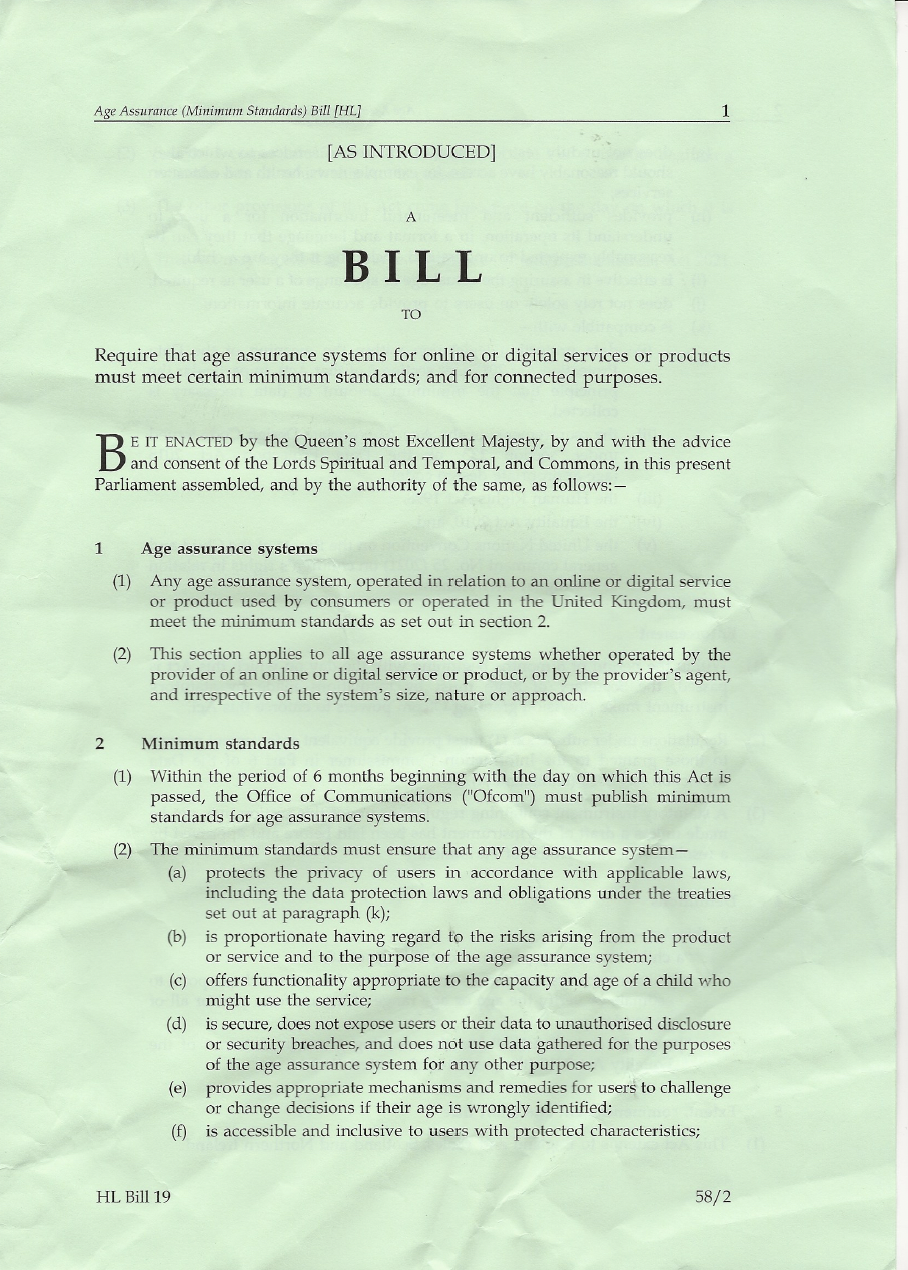
Lord C-J: Why We Should Support Baroness Kidron's Age Assurance Bill
I recently wound up a debate in the House of Lords on the Second Reading of Baroness Beeban Kidron's Age Assurance Private Member's Bill which is designed to set mandatory standards for age assurancace for internet sites and online platforms in the UK
Here is my speech explaining why I support this as an essential part of keeping children safe online.
My Lords, I add my thanks to those from all around the House to the noble Baroness, Lady Kidron, for introducing the Bill with such passion and commitment. We all know what an amazing campaigner she is. We hope that this is another stage in the end of—to adopt the powerful phrase of the noble Lord, Lord Cormack—the destruction of innocence.
It is a privilege to be winding up from these Benches, and to serve on the Joint Committee on the Draft Online Safety Bill along with the noble Baroness and the noble Lord, Lord Gilbert. Naturally, Members of the House have focused today on the importance of age assurance to child protection in terms of both safety and data protection. We should not tolerate the collateral damage from the online platforms—another powerful phrase, this time from the noble Baroness, Lady Kidron—as the cost of innovation.
A number of noble Lords, such as the noble Lord, Lord Russell, talked about cyberbullying, while the noble Baroness, Lady Bull, talked about the impact on body image and mental health in consequence. All around the House there are different motives for wanting to see proper standards for age assurance. I very much share what the noble Baroness, Lady Boycott, had to say about access to pornography having such a pernicious impact on young people’s relationships. At the same time, it was worth celebrating the genesis of Spare Rib. The word “empowerment” sprang to mind, because that underlies quite a lot of what we are trying to do today.
From my point of view, I cannot do better than quote the evidence from Barnardo’s to our Joint Select Committee to explain the frustration about what has been a long, winding and ultimately futile road over Part 3 of the Digital Economy Act, for which we waited for two years only to be told in 2019 that it was not going to be implemented. As Barnardo’s says:
“The failure to enact the original age verification legislation over three years ago has meant that thousands of children have continued to easily access pornography sites and this will continue unless the draft legislation is amended. Evidence shows (detailed later in the response) that accessing harmful pornography has a hugely damaging impact on children.”
As the noble Lord, Lord Lipsey, says, there should not be a second’s argument about restricting this. The evidence from Barnardo’s continues:
“The British Board of Film Classification survey in 2019 reported that children are stumbling upon pornography online from as young as seven. The survey also suggested that three-quarters of parents felt their child would not have seen porn online but more than half had done so.”
The noble Baroness, Lady Finlay, talked about a jungle of predators. The noble Lord, Lord Russell, even spoke of a pyramid of dung, which is an expression that was new to me today. The message from the noble Lord, Lord Gilbert, is clear: we need to be vigilant. It is astonishing that the online safety Bill itself does not tackle this issue. The noble Baroness, Lady Greenfield, put the whole impact of digital technology and social media on the brains of young people into perspective for many of us.
However, the crucial aspect is that the Bill is not about the circumstances in which age assurance or age verification is required but about the standards that must be adhered to. As the noble Baroness, Lady Kidron, said, we are talking about secure and privacy-protecting age assurance, proportionate to risk and with a route to redress. This is further testimony, from the NSPCC evidence to the Joint Select Committee:
“Given the intrinsic role of age assurance to deliver a higher standard of protection for children, the Government should set out further detail about how it envisages age assurance being implemented. Further clarification is required about if and when it intends to set standards for age assurance technologies. While the ICO intends to publish further guidance on age assurance measures later this year, it remains highly unclear what standards and thresholds are likely to apply.”
The process of setting standards started with the BBFC in preparing for the coming into effect of Part 3 of the Digital Economy Act. As the designated age-verification regulator, the BBFC published guidance on the kind of age-verification arrangements that would have ensured that pornographic services complied with the law. It rightly opted for a principles-based approach, as indeed does the Bill, rather than specifying a finite number of approved solutions, in order to allow for and encourage technological innovation within the age-verification industry. Sadly, that guidance was not implemented when the Government decided not to implement Part 3 of the DEA. As I say, this Bill adopts a similarly non-technology-prescriptive approach.
It is clearer than ever that, across a variety of news cases, we need a binding set of age-assurance standards. Again, I was taken by another phrase used by the noble Lord, Lord Gilbert: we need to create a positive place online. The noble Baroness, Lady Bull, talked about the digital world that children deserve. Why have the platforms not instituted proper age assessment already, as the noble Baroness, Lady Kennedy, asked? This should have been fixed a long time ago. As the noble Baroness, Lady Harding says, it is a multibillion-pound industry and, as the noble Lord, Lord Gilbert, said, they already know a huge amount about us. As the noble Baroness, Lady Finlay, said, the responsibility lies with the platforms, not young people, who are prone to addiction technology.
We can and should incorporate the requirements of the Bill into the online safety Bill, but we have an urgent need to make sure that these age-assurance standards are clear much earlier than that. The ICO set out in its guidance in October, Age Assurance for the Children’s Code—previously the age-appropriate design code—expectations for age-assurance data protection compliance. Ofcom’s Video-sharing Platform Guidance: Guidance for Providers on Measures to Protect Users from Harmful Material, also published in October, is even weaker. There is not even an expectation; it simply says:
“VSP providers may consider the following factors when establishing and operating age assurance systems”.
That is all they are, considerations and expectations. At present there are no sanctions attached to those requirements. It is clear that we need binding standards for age assurance to make these sets of guidance fully operative and legally enforceable.
The technology is there. The Government should adopt the Bill here and now—and ensure its passage before the end of this term. As the noble Baroness, Lady Harding, says, it lies in our hands. I hope noble Lords will resist the temptation to table amendments during the passage of the Bill. If they do resist that, we could avoid Committee stage and move rapidly towards Report and Third Reading, to make this Bill a reality.
As the right reverend Prelate said, children are at risk for the want of this Bill and we have the regulator in the wings.
As the noble Baroness, Lady Kidron, said, we could simply include this in the online safety Bill, but an 11 year-old will be an adult by 2024. As she asked, how many children will be harmed in the interim? The noble Lord, Lord Griffiths of Burry Port, said that watertight protection means mandatory standards for age assurance. This is a vital brick in the wall. The noble Lord, Lord Lipsey, said that he had heard every excuse from government for not implementing legislation—I think I am with him on that—and also said that this Bill is absolute proof against that. Let us give it the fairest wind we possibly can.

Lord C-J: ‘Byzantine’ to ‘inclusive’: status update on UK digital ID
From Biometricupdate.com
https://www.biometricupdate.com/202108/byzantine-to-inclusive-status-update-on-uk-digital-id
The good, the bad and the puzzling elements of the UK’s digital ID project and landscape were discussed by a group of stakeholders who found the situation frustrating at present, but believe recent developments offer hope for a ‘healthy ecosystem’ of private digital identity providers and parity between physical and digital credentials. Speakers also compared UK proposals with schemes emerging elsewhere, praising the EU digital wallet approach.
The panel was convened by techUK, a trade association focusing on the potential of digital technologies, against a backdrop of recent announcements by the UK’s Department for Digital, Culture, Media and Sport such as the ‘Digital identity and attributes consultation’ into the ongoing framework underpinning the move to digital, along with the slow-moving legislation on the digital economy.
“We seem to be devising some Byzantine pyramid of governance,” said Lord Tim Clement-Jones, House of Lords Spokesperson for Digital for the Liberal Democrats of the overall UK plan for digital ID on the multiple oversight and auditing bodies proposed. And that looking at the ‘Digital identity and attributes’ documentation “will blow your mind,” such is his feeling of frustration around the topic. He believes legislation on the Digital Economy Act 2017 Part 3 should have been passed long ago allowing providers such as Yoti to bring age verification solutions to the market.
Fellow panellist Julie Dawson, Director of Regulatory and Policy at Yoti was more optimistic about the current state of affairs. She noted the fact that 3.5 million people had used the UK’s EU Exit: ID Document Check app which included biometric verification to be highly encouraging as are the Home Office sandbox trials for digital age verification. However, the lack of a solid digital ID could put British people to a disadvantage, even in the UK, if they cannot verify themselves online such as in the hiring process. Yet people performing manual identity checks are expected to verify a driving license from another country, that they have never seen before, and make a decision on it – something she finds “theatrical.”
The panel, which also featured Laura Barrowcliff, Head of Strategy at digital identity provider GBG Plc was heavily skewed towards the private sector, including the chair, Margaret Moore, Director of Citizen & Devolved Government Services at French firm Sopra Steria which has recently been awarded a contract within France’s digital ID system. They agreed that the UK needs and is developing a healthy ecosystem of digital identity providers, that the ‘consumer’ should be at the heart of the system, that the private sector is an inherently necessary part of the future digital ID landscape.
The government’s role is to establish trust by setting the standards private firms must adhere to, believes Lord Clement-Jones and that it “should be opening up government services to third party digital ID”. He is opposed to the notion of a government-run digital ID system based on the outcome of the UK’s ineffective Verify scheme.
Lord Clement-Jones considers the current flow of evidence-gathering and consultations in the UK to be a “slow waltz”, particularly in light of the recent EU proposals for a digital wallet which is “exactly what is needed” as it is “leaving it to the digital marketplace”. He believes the lack of a “solid proposal” so far by the UK government is hampering the establishment of trust.
“The real thing we have to avoid is for social media to be the arbiters of digital ID. This is why we have to move fast,” said Clement-Jones, “I do not want to be defined by Google or Facebook or Instagram in terms of who I am. Let alone TikTok.” Which is why the UK needs digital commercial providers, noted the member of the House of Lords.
Yoti’s Julie Dawson believes the EU proposals could even see the bloc leapfrogging other jurisdictions with the provision for spanning the public and private sectors. The inclusion of ‘vouching’ in the UK system, where somebody without formal identity could turn to a known registered professional to vouch for them and allow them to register some form of digital ID was found to be highly encouraging. This could make the UK system more inclusive.
Data minimization should be a key part of the UK plan, where only the necessary attribute of somebody’s ID is checked, such as whether they are over 18, compared to handing over a passport or sending a scan which contains multiple other attributes which are not necessary for the seller to see. GBG’s Laura Barrowcliff said this is a highly significant benefit of digital ID and one which, if communicated to the public, could increase support for and trust in digital ID. Any reduction in fraud associated with the use of digital ID could also help sway public opinion, though multiple panellists noted that there will always be elements of identity fraud.
Yoti’s Dawson raised a concern that the current 18-month wait until any legislation comes from the framework and consultations could become lost time to developers and hopes they continue to enhance their offerings. She also called for further transparency in the discussions happening in government departments.
Lord Clement-Jones hopes for the formation of data foundations to manage publicly-held information so the public knows where data is held and how. GBG’s Laura Barrowcliff simply called for simplicity in the ongoing development of the digital ID landscape to keep consumers at the heart so that they can understand the changes and potential and buy into the scheme as their trust grows.

Digital ID: What’s the current state-of-play in the UK?
On 22 July, as part of the #DigitalID2021 event series, techUK hosted an insightful discussion exploring the current state-of-play for digital identity in the UK and how to build public trust in digital identity technologies. The panel also examined how the UK’s progress on digital ID compares with international counterparts and set out their top priorities to support the digital identity market and facilitate wider adoption.
The panel included:
- Lord Tim Clement-Jones, House of Lords Spokesperson for Digital for the Liberal Democrats
- Margaret Moore, Director of Citizen & Devolved Government Services, Sopra Steria (Chair)
- Julie Dawson, Director of Regulatory and Policy, Yoti
- Laura Barrowcliff, Head of Strategy, GBG Plc
You can watch the full webinar here or read our summary of the key insights below:
The UK’s progress on digital identity
Opening the session, the panel discussed progress around digital identity since the start of the pandemic.
Julie Dawson raised a number of developments that indicate steps in the right direction. Before the pandemic over 3.5m EU citizens proved their settled status via the EU Settlement Scheme, whilst the JMLSG and Land Registry have both since explicitly recognised digital identity, with digital right to work checks and a Home Office sandbox on age verification technologies in alcohol sales also introduced since March last year. She also lauded the creation of the Digital Regulation Cooperation Forum as a great example of joining up across government departments, such as on the topic of age assurance.
Lord Tim Clement-Jones on the other hand noted that the pace of change has remained slow. He said that the UK government needs to take concrete action and should focus on opening up government data to third party providers. He also made the point that the u-turn on the Digital Economy Act Part 3 has not as yet been rectified and so the manifesto pledge to protect children online has still to be fulfilled. Julie pointed out that legislative change in terms of the Mandatory Licensing Conditions are still needed, to enable a person to prove their age to purchase alcohol without solely requiring a physical document with a physical hologram.
Collaboration across industry around digital identities was also highlighted by Julie, drawing upon the example of the Good Health Pass Collaborative which has emerged since the start of the pandemic. The Collaborative has brought together a variety of stakeholders and over 130 companies to work on an interoperable digital identity solution to facilitate international travel post-COVID to operate at scale once more.
Examining the Government alpha Trust Framework and latest consultation
Moving on to look at the government’s alpha Trust Framework for digital identity, as well as the newly published consultation on digital identity and attributes, the panel explored what these documents do well and what gaps ultimately remain.
Julie Dawson and Laura Barrowcliff both saw a lot of good in the new proposals, with Laura highlighting how the priorities in the government’s approach around governance, inclusion and interoperability broadly hit on the right points. Julie also highlighted the role for vouching in the government’s framework as a positive step and emphasised the government’s recognition of the importance of parity for digital identity verification as one of the most central developments for wider adoption of the technology.
Providing a more cautious view, Lord Tim Clement-Jones said the UK risked creating a byzantine pyramid of governance on digital identity. He pointed to the huge number of bodies envisaged to have roles in the UK system and raised concerns that the UK will end up with a certification scheme that differs from anyone else’s internationally by not using existing standards or accreditation systems.
Looking forward, Julie highlighted that providers are looking for clarity on how to operate and deliver over the next 18 months before any of these documents become legislation. She also expressed the sincere hope that the progress made in terms of offering digital Right to Work checks, alongside physical ones, will continue rather than end in September 2021.
She identified two separate ‘tracks’ for public and private sector use of digital identity and raised the need for a conversation on when and how to join these up with the consumer at the heart. When considering data sources, for example, the ability of digital identity providers to access data across the Passport Office, the DVLA and other government agencies and departments is critical to support the development of digital identity solutions.
The panel was pleased to see the creation of a new government Digital Identity Strategy Board which they hoped would drive progress but raised the need for further transparency about ongoing work in this space, including a list of members, TOR and meeting minutes from these sessions.
Public trust in digital identity
One of the core topics of conversation centred upon trust in digital identity technologies and what steps can be taken to drive wider public trust in this space.
Lord Tim Clement-Jones said that there is a key role for government on standards to ensure digital identity providers are suitable and trustworthy, as well as in providing a workable and feasible proposal that inspires public confidence.
Julie highlighted how, alongside the Post Office, Yoti welcomed the soon to be published research undertaken by OIX into documents and inclusion.
Laura Barrowcliff emphasised the importance of context for public trust, putting the consumer experience at the heart of considerations. Opening up digital identity and consumer choice is one such way of improving the experience for users. Whilst much of the discussion on trust ties in with concerns around fraud, Laura highlighted how digital identity can actually help from a security and privacy perspective by embodying principles such as data minimisation and transparency. She also highlighted how data minimisation and proportionate use of digital identity data could be key for user buy-in.
Lessons from around the world
Looking to international counterparts, the panel drew attention to countries around the world which have made good progress on digital identity and key learnings from these global exemplars.
The progress on digital identity made in Singapore and Canada was mentioned by Julie Dawson, who emphasised the openness around digital identity proposals – which span the public and private sector – and the work being done to keep citizens informed and involve them in the process.
Julie also raised the example of the EU, which is accelerating its work on digital identity with an approach that also spans the public and private sector and is looking at key issues such as data sources whilst focusing on the consumer. Lord Tim Clement-Jones emphasised the importance of monitoring Europe’s progress in this area and the need for the UK government to consider how its own approach will be interoperable internationally.
Panellists discussed the role digital identities have played in Estonia where 99% of citizens hold digital ID and public trust in digital identities is the norm. However, they recognised key differences between the UK and Estonia. In the UK, digital identity solutions are developing in the context of widespread use of physical identification documents, whereas digital identities were the starting point in Estonia.
Beyond the EU, Laura said that GBG has a digital identity solution in Australia where the market for reusable identities is accelerating rapidly. She highlighted that working with private sector companies who have the necessary infrastructure and capabilities in place is critical to drive adoption.
Priorities for digital identity
Drawing the discussion to a close, each of the panellists were asked for their top priority to support public trust and the growth of the digital identity market in the UK.
Transparency was identified as Julie Dawson’s top priority, particularly around what discussions are happening within and across government departments and on the work of the Strategy Board.
Lord Tim-Clement Jones highlighted data and trustworthy data-sharing as key. He said he hopes to see the formation of data foundations and trusts of publicly held information that is properly curated to be used or shared on the basis of set standards and rules, which should spill over into the digital identity arena.
Laura Barrowcliff said simplicity is most important, keeping things simple for those working in the ecosystem as well as for consumers, with those consumers at the heart of all decision-making processes.

These are the ingredients for good higher education governance
I recently took part in a session on "Higher education governance - the challenges that lie ahead and what can we do about it " at an AdvanceHE Clerks and Secretaries Network Event and shared my view on university governance. This is the blog I wrote afterwards which reflects what I said.
https://www.advance-he.ac.uk/news-and-views/ingredients-good-higher-education-governance
Chairing a Higher Education institution is a continual learning process and it was useful to reflect on governance in the run up to Advance HE’s recent discussion session with myself and Jane Hamilton, Chair of Council of the University of Essex.
Governance needs to be fit for purpose in terms of setting and adhering to a strategy for sustainable growth with a clear set of key strategic objectives and doing it by reference to a set of core values. And I entirely agree with Jane that behaviour and culture which reflect those values are as important as governance processes.

But the context is much more difficult than when I chaired the School of Pharmacy from 2008 when HEFCE was the regulator. Or even when I chaired UCL’s audit committee from 2012. The OfS is a different animal altogether and despite the assurance of autonomy in the Higher Education Act, it feels a more highly regulated and more prescribed environment than ever.
I was a Company Secretary of a FTSE 100 company for many years so I have some standard of comparison with the corporate sector! Current university governance, I believe, in addition to the strategic aspect, has two crucial overarching challenges.
First, particularly in the face of what some have described as the culture war, there is the crucial importance of making, and being able to demonstrate, public contribution through – for example – showing that:
- We have widened access
- We are a crucial component of social mobility, diversity and inclusion and enabling life chances
- We provide value for money
- We provide not just an excellent student experience but social capital and a pathway to employment as well
- In relation to FE, we are complementary and not just the privileged sibling
- We are making a contribution to post-COVID recovery in many different ways, and contributed to the ‘COVID effort’ through our expertise and voluntary activity in particular
- We make a strong community contribution especially with our local schools
- Our partnerships in research and research output make a significant difference.
All this of course needs to be much broader than simply the metrics in the Research Excellence and Knowledge Exchange Frameworks or the National Student Survey.
The second important challenge is managing risk in respect of the many issues that are thrown at us for example
- Funding: Post pandemic funding, subject mix issues-arts funding in particular. The impact of overseas student recruitment dropping. National Security and Investment Act requirements reducing partnership opportunities. Loss of London weighting. Possible fee reduction following Augar Report recommendations
- The implications of action on climate change
- USS pension issues
- Student welfare issues such as mental health and digital exclusion
- Issues related to the Prevent programme
- Ethical Investment in general, Fossil Fuels in particular
- And, of course, freedom of speech issues brought to the fore by the recent Queen’s Speech.
This is not exhaustive as colleagues involved in higher education will testify! There is correspondingly a new emphasis on enhanced communication in both areas given what is at stake.
In a heavily regulated sector there is clearly a formal requirement for good governance in our institutions and processes and I think it’s true to say, without being complacent, that Covid lockdowns have tested these and shown that they are largely fit for purpose and able to respond in an agile way. We ourselves at Queen Mary, when going virtual, instituted a greater frequency of meetings and regular financial gateways to ensure the Council was fully on top of the changing risks. We will all, I know, want to take some of the innovations forward in new hybrid processes where they can be shown to contribute to engagement and inclusion.
But Covid has also demonstrated how important informal links are in terms of understanding perspectives and sharing ideas. Relationships are crucial and can’t be built and developed in formal meetings alone. This is particularly the case with student relations. Informal presentations by sabbaticals can reap great rewards in terms of insight and communication. More generally, it is clear that informal preparatory briefings for members can be of great benefit before key decisions are made in a formal meeting.
External members have a strong part to play in the expertise and perceptions they have, in the student employability agenda and the relationships they build within the academic community and harnessing these in constructive engagement is an essential part of informal governance.
So going forward what is and should be the state of university governance? There will clearly be the need for continued agility and there will be no let-up in the need to change and adapt to new challenges. KPI’s are an important governance discipline but we will need to review the relevance of KPIs at regular intervals. We will need to engage with an ever wider group of stakeholders, local, national and global. All of our ‘civic university’ credentials may need refreshing.
The culture will continue to be set by VCs to a large extent, but a frank and open “no surprises” approach can be promoted as part of the institution’s culture. VCs have become much more accountable than in the past. Fixed terms and 360 appraisals are increasingly the norm.
The student role in co-creation of courses and the educational experience is ever more crucial. The quality of that experience is core to the mission of HE institutions, so developing a creative approach to the rather anomalous separate responsibilities of senate and council is needed.
Diversity on the Council in every sense is fundamental so that there are different perspectives and constructive challenge to the leadership. 1-2-1s with all council members on a regular basis to gain feedback and talk about their contribution and aspirations are important. At Council meetings we need to hear from not just the VC, but the whole senior executive team and heads of school: distributed leadership is crucial.
Given these challenges, how do we attract the best council members? Should we pay external members? Committee chairs perhaps could receive attendance allowance type payments. But I would prefer it if members can be recruited who continue to want to serve out of a sense of mission.
This will very much depend on how the mission and values are shared and communicated. So we come back to strategic focus, and the central role of governance in delivering it!
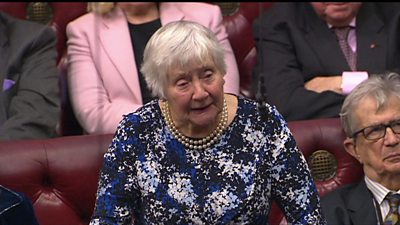
Shirley Williams 1930-2021
So sad to lose Shirley Williams, such a warm, principled and inspiring political pioneer. The conscience of the Liberal Democrats


The Digital Regulation Cooperation Forum: Priorities for UK Digital Regulation

https://www.aldes.org.uk/the-drcf-priorities-for-uk-digital-regulation/
Last July the Competition and Markets Authority (CMA), the Information Commissioner’s Office (ICO) and the Office of Communications (Ofcom) formed the Digital Regulation Cooperation Forum (DRCF) which last month outlined its priorities in a Workplan for 2021/22.
The creation of the DRCF is a significant move by these regulators in the coordination of regulation across digital and online services and, as they say, recognises the unique challenges posed by regulation of online platforms which are playing an increasingly important role in our lives.
The Workplan for 2021/22 is designed to set out what they fashionably call a roadmap for how Ofcom, the CMA, ICO and, from this month as a full member of the DRCF, the FCA, will increase the scope and scale of this coordination through “pooling expertise and resources, working more closely together on online regulatory matters of mutual importance, and reporting on results annually.”
In launching the Workplan, the DRCF invited comments and observations on its content. The challenge has been taken up by a number of Liberal Democrat colleagues in the Lords, coordinated by myself as Digital Spokesperson.
We wholly welcome the creation of the DRCF and the creation of a cross regulator Workplan. Cross collaboration between regulators is of great importance as technological, digital and online issues faced by regulators increasingly converge, especially in the light of the growing emergence of digital issues across the regulatory field, such as data use and access, consumer impact of algorithms and the advent of online harms legislation.
We suggested a number of additions to supplement what is essentially an excellent core plan with some other areas of activity which should be undertaken as part of the plan, resources permitting.
The context of the regulators’ work is provided by the overall aim of the Government to ensure “an inclusive, competitive and innovative digital economy” . To this we want to see the addition of the words “ethical, safe and trustworthy”.This is not only crucial in terms of public trust but very much in line with one of the announced three key pillars of the Government’s AI Strategy to be published later this year by the Government and other aspects of the government’s National Data Strategy.
The key areas of activity set out in the Workplan are:
- Responding strategically to industry and technological development;
- Developing joined up regulatory approaches;
- Building shared skills and capabilities
- Building clarity through collective engagement
- Developing the DRCF
Responding Strategically to industry and technological developments
A number of emerging trends and technological developments are referred to in the plan. These include broad areas such as design frameworks, algorithmic processing (and we must assume this includes algorithmic decision making), digital advertising technologies and end-to-end encryption.
There are significant implication from other emerging issues however which we also think require particular attention from the regulators such as Deepfakes, Live Facial Recognition, collection use and processing of behavioral data beyond advertising and devices (such as smart meters) which collect and share data and are part of the Internet of Things.
Developing joined up regulatory approaches
Here the Workplan suggests concentrating on Data Protection and Competition Regulation, the Age Appropriate Design Code (aka Children’s Code) introduced by the Data Protection Act, the regulation of video-sharing platforms and online safety and interactions in the wider digital regulation landscape.
We believe however, especially in the light of considerable debate about what are appropriate remedies for market dominance in the context of the digital economy and the growing power of Big Tech, that there should be cross regulator consideration of how proportionate but timely interim and ex ante intervention and structural versus behavioral remedies have application.
Given the importance of simultaneously encouraging innovation and trustworthy use and application of data and AI, we also thought there should be a focus on generic sandboxing approaches to innovative regulated services.
Building shared skills and capabilities
To some extent the Workplan in this area proposes a journey of exploration. It suggests building shared skills through, for instance, secondment programmes, collocated teams, building a shared centre of excellence and co-recruitment initiatives, but without specifying what those shared skills might be.
Last December, I chaired a House of Lords follow up enquiry to the AI Select Committee’s Report AI in the UK : Ready Willing and Able? and our report: AI in the UK: No Time for Complacency concluded and recommended as follows:
“60. The challenges posed by the development and deployment of AI cannot currently be tackled by cross-cutting regulation. The understanding by users and policymakers needs to be developed through a better understanding of risk and how it can be assessed and mitigated…..
61. The ICO must develop a training course for use by regulators to ensure that their staff have a grounding in the ethical and appropriate use of public data and AI systems, and its opportunities and risks. It will be essential for sector specific regulators to be in a position to evaluate those risks, to assess ethical compliance, and to advise their sectors accordingly….”
In addition to these proposals on upskilling on risk assessment and mitigation and the ethical and appropriate use of public data, we have now suggested that, as part of the Workplan, a wider set of skills could be built across the regulators, particularly in the AI space, such as assessments of use of behavioral data in advertising and of ethical compliance of AI systems, Algorithm inspection, AI audit and monitoring and evaluation of Digital ID and Age Verification solutions.
As regards technical expertise available to the DRCF we took the view that it is important that the Alan Turing Institute, the Centre for Data Ethics and Innovation and the Intellectual Property Office are closely involved with the work programme and the DRCF makes full use of their skills and knowledge.
Given the depth and technical nature of many of the skills required, the proposal for a centre of excellence to provide common expertise in digital and technological issues which could draw upon and be of service to all relevant regulators, is vital and should be a resource priority.
As regards the last two priority activities Building Clarity Through Collective Engagement and DRCF development we are strong supporters of the intention to draw upon international expertise. The EU, the Council of Europe and the OECD are all building valuable expertise in AI risk assessment by reference to ethical principles and human rights.
We also welcomed the regulators’ intention to update and review the current MOU’s between the regulators to ensure greater transparency and cooperation.
Other, non-statutory regulators,however, have a strong interest in the objectives and outcomes of the DRCF too. There is welcome reference in the Workplan to the Advertising Standards Authority involvement with the DRCF but as regards other relevant regulators such as the Press Representation Council and BBFC we want to see them included in the work of the DRCF given their involvement in digital platforms.
In addition, there is the question of whether other statutory regulators which have an interest in digital and data issues such as OFWAT or OFGEM with smart meters, or the CAA with drone technology for example will be included in the DRCF discussions and training.
We even think there is a good case for the DRCF to share and spread knowledge and expertise, as it develops, to the wider ADR and ombudsman ecosystem and even to the wider legal system in the light of the new Master of Rolls, Sir Geoffrey Vos’, recent espousal of AI in the justice system.
It may not yet have great public profile but how and the speed at which the work of the DRCF unfolds, matters to us all.
Regulating the Internet
Lord C-J discussion with Tom Ascott of the Online Harms Foundation March 21.

As technology, AI and the internet weave themselves deep into our societies, Synthetic Society is here to help you untangle and understand the mess. Listen to interviews with leading experts, political figures, and entrepreneurs, guiding us through complex issues
This week our guest is Lord Clement-Jones, and we’ll be talking about if technology is becoming more polarised, how the government can lead on regulation for the internet and artificial intelligence, and the relevance of culture and the arts in the digital space.
https://syntheticsociety.libsyn.com/regulating-the-internet

Saying No to Internal Vaccine Passports

https://bigbrotherwatch.org.uk/2021/04/70-mps-launch-cross-party-campaign-against-covid-passes/
70+ MPS LAUNCH CROSS-PARTY CAMPAIGN AGAINST COVID PASSE
BIG BROTHER WATCH TEAM / APRIL 2, 2021
Further to Sir Keir’s comments about vaccine passports being un-British and against the “British instinct”, over 70 MPs have launched a cross-party campaign opposing their “divisive and discriminatory use”.
MPs and peers from Labour, the Liberal Democrats and Conservative parties have signed a pledge to oppose the move.
Signatories include former Labour leader, Jeremy Corbyn, Labour MPs Dawn Butler and Rebecca Long Bailey, former director of Liberty, Baroness Shami Chakrabarti, and over 40 MPs from the Conservative Covid Recovery Group.
They have been supported by campaign groups Big Brother Watch, Liberty, the Joint Council for the Welfare of Immigrants (JCWI) and Privacy International.
The pledge states:
“We oppose the divisive and discriminatory use of COVID status certification to deny individuals access to general services, businesses or jobs.”
QUOTES
Baroness Chakrabarti said:
“International travel is a luxury but participating in your own community is a fundamental right. So internal Covid passports are an authoritarian step too far. We don’t defeat the virus with discrimination and oppression but with education, vaccination and mutual support.”
Leader of the Liberal Democrats, Ed Davey MP said:
“As we start to get this virus properly under control we should start getting our freedoms back, vaccine passports – essentially Covid ID cards – take us in the other direction.
“Liberal Democrats have always been the party for civil liberties, we were against ID cards when Blair tried to introduce them and we are against them now.
“I’m pleased Big Brother Watch is helping drive forward a growing consensus against Covid ID cards in our politics. Now I hope we can start to turn the tide on the creeping authoritarianism we are seeing from Number 10 across a broad range of issues.”
Sir Graham Brady MP said:
“Covid-Status Certification would be divisive and discriminatory. With high levels of vaccination protecting the vulnerable and making transmission less likely, we should aim to return to normal life, not to put permanent restrictions in place.”
Silkie Carlo, director of Big Brother Watch said:
“Our common goal is to emerge from lockdown – healthy, safe and free. But we won’t arrive at freedom through exclusion. Covid passes would be the first attempt at segregation in Britain for many decades, dividing communities without reducing the risks. We are in real danger of becoming a check-point society where anyone from bouncers to bosses could demand to see our papers. We cannot let this Government create a two-tier nation of division, discrimination and injustice.”
Minnie Rahman, Campaigns Director at JCWI, said:
“The Hostile Environment, which is built on identity checks, has already been proven to cause discrimination against migrants and people of colour. On top of this, migrant communities face significant barriers to accessing the vaccine. Any recovery plan which risks increasing racial discrimination and purposefully leaves people behind is doomed to fail.”
Sam Grant, Head of Policy and Campaigns at Liberty, said:
“We all want to get out of the pandemic as quickly as possible, but we need to do so in a way that ensures we don’t enter a ‘new normal’ which diminishes the rights and liberties we took for granted before the COVID crisis.
“Any passport system has the potential to create a two-tier society, and risk further marginalising people who are already discriminated against and cut off from vital services. Vaccine passports would allow ID systems by stealth, entrenching inequality and division.
“We need strategies that support and enable people to follow public health guidance, including vaccination, alongside more support for the most marginalised who have suffered the sharp edge of the Government’s focus on criminal justice over public health. We won’t get out of this pandemic by entrenching inequality, but only by protecting everyone.”
ENDS
Full list of signatories:
Labour Party
Diane Abbot MP
Bell Ribeiro-Addy MP
Tahir Ali MP
Rebecca Long Bailey MP
Clive Lewis MP
Beth Winter MP
Rachel Hopkins MP
Apsana Begum MP
Richard Burgon MP
Ian Byrne MP
Dawn Butler MP
Jeremy Corbyn MP
Mary Kelly Foy MP
Ian Lavery MP
Ian Mearns MP
John McDonnell MP
Grahame Morris MP
Kate Osborne MP
Zarah Sultana MP
Claudia Webbe MP
Mick Whitley MP
Nadia Whittome MP
Baroness Chakrabarti
Baroness Bryan of Partick
Lord Woodley
Lord Sikka
Lord Hendy
Liberal Democrats
Ed Davey MP
Layla Moran MP
Munira Wilson MP
Alistair Carmichael MP
Daisy Cooper MP
Wendy Chamberlain MP
Sarah Olney MP
Christine Jardine MP
Jamie Stone MP
Tim Farron MP
Lord Scriven
Lord Strasburger
Lord Tyler
Lord Clement-Jones
Conservative Party
Mark Harper MP
Steve Baker MP
Sir Iain Duncan Smith MP
Harriett Baldwin MP
Esther McVey MP
Adam Afriyie MP
Bob Blackman MP
Sir Graham Brady MP
Nus Ghani MP
Andrew Mitchell MP
Peter Bone MP
Ben Bradley MP
Andrew Bridgen MP
Paul Bristow MP
Philip Davies MP
Richard Drax MP
Jonathan Djanogly MP
Chris Green MP
Philip Hollobone MP
Adam Holloway MP
David Jones MP
Simon Jupp MP
Andrew Lewer MBE MP
Julian Lewis MP
Karl McCartney MP
Craig Mackinlay MP
Anthony Mangnall MP
Stephen McPartland MP
Anne Marie Morris MP
Sir John Redwood MP
Andrew Rosindell MP
Greg Smith MP
Henry Smith MP
Julian Sturdy MP
Sir Desmond Swayne MP
Sir Robert Syms MP
Craig Tracey MP
Jamie Wallis MP
David Warburton MP
William Wragg MP
Sir Charles Walker MP
NGOs/Businesses
Big Brother Watch
Liberty
Migrants Organise
Joint Council for the Welfare of Immigrants
medConfidential
Privacy International
Online Harms: The Need for Early Legislation
This is what I said when (finally) the Government made its response to the White Paper Consultation in January
My Lords, over three years have elapsed and three Secretaries of State have come and gone since the Green Paper, in the face of a rising tide of online harms, not least during the Covid period, as Ofcom has charted. On these Benches, therefore, we welcome the set of concrete proposals we finally have to tackle online harms through a duty of care. We welcome the proposal for pre-legislative scrutiny, but I hope that there is a clear and early timetable for this to take place.
As regards the ambit of the duty of care, children are of course the first priority in prevention of harm, but it is clear that social media companies have failed to tackle the spread of fake news and misinformation on their platforms. I hope that the eventual definition in the secondary legislation includes a wide range of harmful content such as deep fakes, Holocaust denial and anti-Semitism, and misinformation such as anti-vax and QAnon conspiracy theories.
I am heartened too by the Government’s plans to consider criminalising the encouragement of self-harm. I welcome the commitment to keeping a balance with freedom of expression, but surely the below-the-line exemption proposed should depend on the news publisher being Leveson-compliant in how it is regulated. I think I welcome the way that the major impact of the duty of care will fall on big-tech platforms with the greatest reach, but we on these Benches will want to kick the tyres hard on the definition, threshold and duties of category 2 to make sure that this does not become a licence to propagate serious misinformation by some smaller platforms and networks.
I welcome the confirmation that Ofcom will be the regulator, but the key to success in preventing online harms will be whether Ofcom has teeth. Platforms Toggle showing location ofColumn 1711will need to demonstrate how they have reduced the “reasonably foreseeable” risk of harm occurring from the design of their services. In mitigating the risk of “legal but harmful content”, this comes down to the way in which platforms facilitate and even encourage the sharing of extreme or sensationalist content designed to cause harm. As many excellent bodies such as Reset, Avaaz and Carnegie UK have pointed out—as the noble Lord, Lord Stevenson, said, the latter is the begetter of the duty of care proposal—this means having the power of compulsory audit. Inspection of the algorithms that drive traffic on social media is crucial.
Will Ofcom be able to make a direction to amend a recommender algorithm, how a “like” function operates and how content is promoted? Will it be able to inspect the data by which the algorithm trains and operates? Will Ofcom be able to insist that platforms can establish the identity of a user and address the issue of fake accounts, or that paid content is labelled? Will it be able to require platforms to issue fact-checked corrections to scientifically inaccurate posts? Will Ofcom work hand in hand with the Internet Watch Foundation? International co-ordination will be vital.
Ofcom will also need to work closely with the CMA if the Government are to protect vulnerable victims of online scams, fraud, and fake and misleading online reviews, if they are explicitly excluded from this legislation. Ofcom will need to work with the ASA to regulate harmful online advertising, as well. It will also need to work with the Gambling Commission on the harms of online black-market gambling, as was highlighted yesterday by my noble friend Lord Foster.
How will this new duty of care mesh with compliance with the age-appropriate design code, regulated by the ICO? As the noble Lord, Lord Stevenson, has mentioned, the one major fudge in the response is on age verification. The proposals do not meet the objectives of the original Part 3 of the Digital Economy Act. We were promised action when the response arrived, but we have a much watered-down proposal. Pornography is increasingly available and accessible to young people on more sites than just those with user-generated content. How do the Government propose to tackle this ever more pressing problem? There are many other areas that we will want to examine in the pre-legislative process and when the Bill comes to this House.
As my honourable friend Jamie Stone pointed out in the Commons yesterday, a crucial component of minimising risk online is education. Schools need to educate children about how to use social media responsibly. What commitment do the Government have to online media education? When will the strategy appear and what resources will be devoted to it?
These are some of the yet unanswered questions before the draft legislation arrives, but I hope that the Government commit to a full debate early in the new year so that some of these issues can be unpacked at the same time as the pre-legislative scrutiny process starts.